
The Role of Withers in a Horse's Performance: Why Proper Functioning is Important in the Lope and Gallop

Updated: Mar 15, 2025

When it comes to equine biomechanics and performance, many people focus on the more obvious aspects, like leg movement, muscle development, or overall conformation. However, one often-overlooked yet crucial part of a horse's anatomy is the withers. These bony structures, located at the top of the shoulders, play an essential role in a horse's overall movement and performance, particularly during the lope and gallop. So, what is the connection between properly functioning withers and a horse's ability to perform these fast-paced gaits efficiently? Let’s dive in.
What Are the Withers?
The withers are the ridge formed by the upper portion of the scapula (shoulder blade) where it meets the spine, located just behind the horse’s neck and between the shoulders. In horses, the withers are highly important because they serve as the attachment point for key muscles that help support the forelimbs and the entire front half of the body. These muscles are crucial when a horse moves, particularly at higher speeds like the lope or gallop.
How Withers Affect Movement
Proper functioning of the withers directly influences how freely and effectively a horse can move, especially during fast gaits. Here’s how:
Flexibility of the Spine
For a horse to move efficiently, their spine needs to have the ability to flex and extend. This allows for proper energy transfer from the rear of the horse (where the power is generated) to the front (where that power is applied to the ground). The withers must allow for this flexibility—when the withers are stiff or restricted, it can impede this natural spine movement. This leads to inefficient use of energy and decreased performance during the lope or gallop.
Spinal Rotation and Lateral Movement
In addition to the flexion and extension of the spine, lateral movement and spinal rotation are essential for smooth, coordinated gaits. The withers play a crucial role in this process, as they help facilitate the rotation of the spine during lateral movements. When the withers are free to move, they allow for better rotation at the thoracolumbar junction (the area where the ribcage and lumbar spine meet), which enables the horse to bend and shift its weight effectively during movements like the lope and gallop.
During lateral movements, such as when a horse turns or makes slight adjustments in stride, the thoracic spine rotates in one direction while the pelvis moves in the opposite direction. The withers, as a part of this rotating spinal unit, help coordinate this action. If the withers are restricted or stiff, the horse's ability to rotate and perform lateral movements becomes compromised, which can lead to stiff, inefficient gaits. The result can be a reduced ability to perform fluid turns, maintain balance in corners, or change direction smoothly while galloping.
Muscle Functionality and Coordination
The withers serve as the attachment point for several important muscles, including the trapezius and rhomboid while having a functional relationship with others such as the supraspinatus. These muscles are responsible for stabilizing the shoulder blades and enabling proper stride length and rhythm. When the withers are restricted, the horse can experience tightness in these muscles, reducing their range of motion and ability to move efficiently. This can result in a horse struggling to maintain balance or rhythm while galloping or loping.
Impact on the Shoulders and Forelimbs
The withers play a pivotal role in the alignment and function of the shoulders. A restricted or poorly aligned wither area can lead to imbalanced movement in the forelimbs, affecting the way the horse moves at higher speeds. The forelimbs must be able to extend freely during a lope or gallop, and if the withers are blocked or inflexible, the shoulder area won’t move properly. This can result in lameness, discomfort, or a noticeable decrease in performance.
Consequences of Poor Wither Function
When the withers aren’t functioning correctly, the effects can be significant and even debilitating for a horse's performance:
Shortened Stride Length: The inability to fully extend the forelimbs results in a shortened stride, making it harder for the horse to maintain speed during the lope or gallop.
Increased Strain: Withers dysfunction can lead to excessive strain on other parts of the body, such as the shoulders, neck, or back. This can lead to chronic soreness, muscle fatigue, and even injury over time.
Poor Balance and Coordination: As the withers are tied to the stability of the front end of the horse, dysfunction here can cause a loss of balance, especially when transitioning from a trot to a lope or in the rapid movements required for galloping.
Inhibited Lateral Movement: Withers restriction can also limit the horse’s ability to execute proper lateral movements. This can affect the horse's balance and overall movement efficiency, especially when turning or maintaining a straight line during faster gaits.
How to Ensure Proper Wither Functioning
As with any part of the horse's body, maintenance is key to ensuring the withers continue to function properly:
Regular Chiropractic Adjustments
An equine chiropractor can help ensure that the withers are properly aligned and free of restrictions. Regular chiropractic care can address stiffness in the withers, as well as any other musculoskeletal issues that may be impeding movement.
Proper Saddle Fit
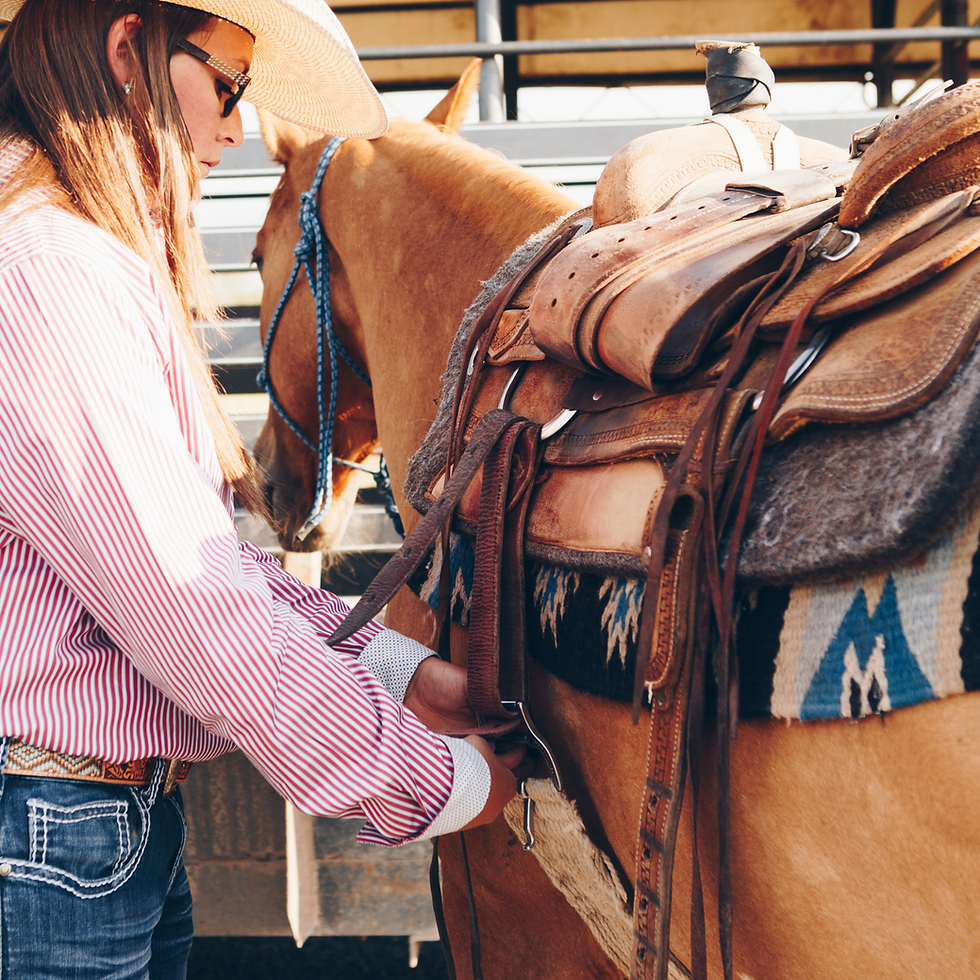
One of the most common issues affecting wither function is an improperly fitted saddle. A saddle that is too tight or positioned incorrectly can place excessive pressure on the withers, leading to discomfort and restricted movement. Make sure your saddle fits well and is adjusted to your horse’s unique body shape to prevent unnecessary stress on the withers.
Strengthening and Stretching
Working with an equine veterinarian or trainer to build muscle strength and flexibility in the withers and surrounding areas through targeted exercises can improve movement and prevent stiffness. Exercises like groundwork or lunging can be beneficial to develop proper flexibility, range of motion, and balance.
Monitoring and Early Intervention
Watch for signs of wither discomfort, such as resistance to movement, difficulty transitioning between gaits, or a change in posture. Early intervention with the help of a veterinarian or chiropractor can prevent long-term issues that could hinder performance.
Conclusion
The withers are a critical component of a horse’s anatomy, and their proper functioning is essential for optimal performance, especially during the lope and gallop. A horse’s ability to move freely, with coordinated muscle action and balance, depends on the health of the withers. Additionally, the withers’ role in spinal rotation and lateral movement is vital for maintaining smooth transitions and efficient gaits. Ensuring the withers remain flexible and properly aligned through regular care, saddle fitting, and strengthening exercises can help your horse perform at its best—whether in the arena, on the trail, or in competitive settings. Pay attention to the withers, and your horse will thank you with enhanced movement and performance.


Comments